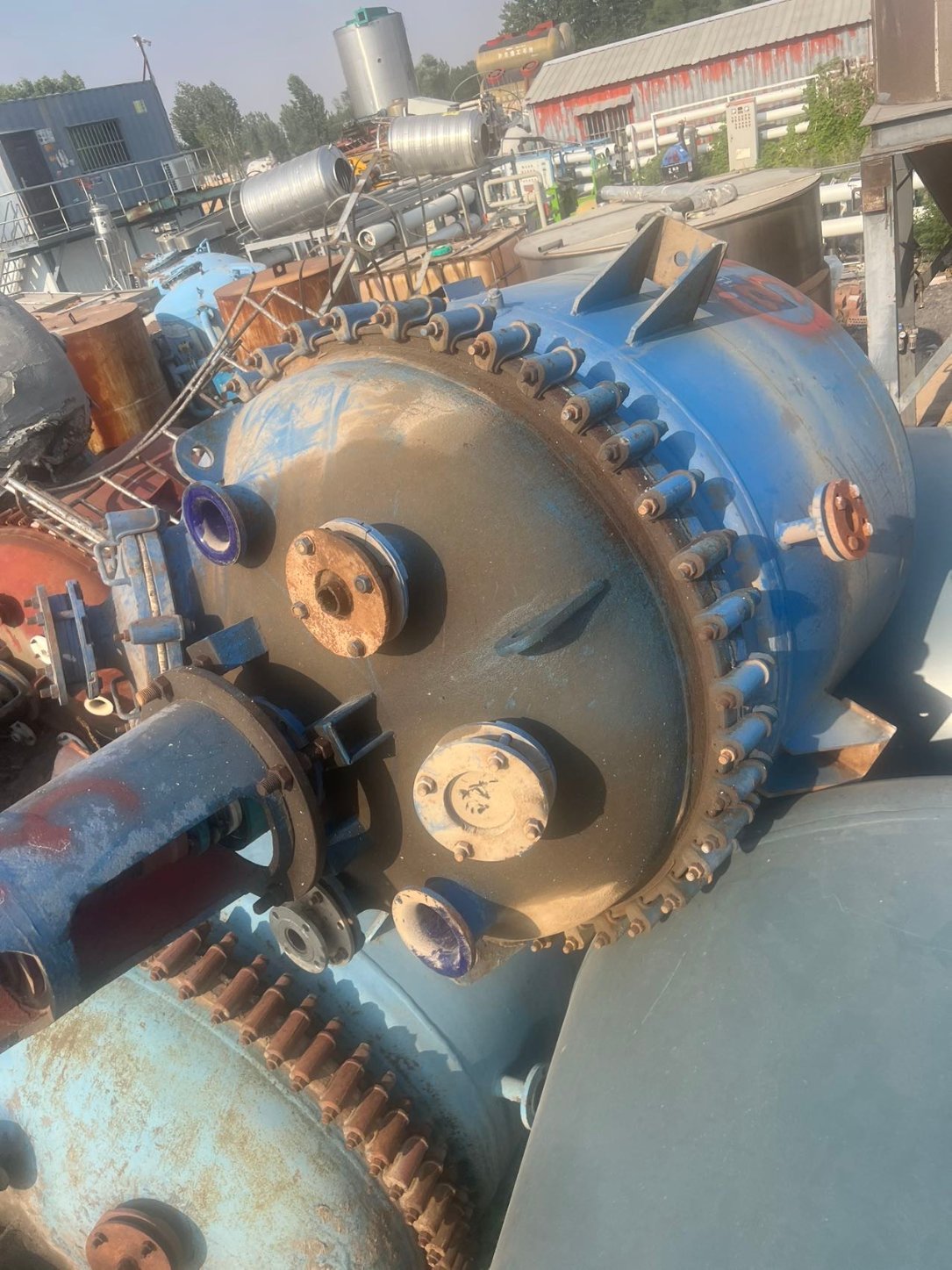
Choosing between an enamel-lined reactor and a stainless steel reactor is one of the most critical decisions in process plant equipment selection. The wrong choice can lead to premature failure, contamination issues, or unnecessary capital expenditure.
Understanding the Core Differences
Enamel Reactors use a glass-like coating bonded to a carbon steel substrate at high temperatures, creating an exceptionally smooth, non-porous surface highly resistant to most acids and alkalis. Stainless Steel Reactors (typically 304 or 316L grade) rely on the chromium oxide layer naturally formed on the steel surface for corrosion resistance.
Corrosion Resistance Comparison
- Enamel: Excellent resistance to hydrochloric acid, sulfuric acid, and most organic acids. Vulnerable to hydrofluoric acid and strong alkaline solutions at high temperatures.
- Stainless Steel 316L: Excellent resistance to most environments including chloride-containing media. 304 grade is susceptible to stress corrosion cracking in chloride environments above ~20ppm at elevated temperatures.
- Duplex SS: Superior to standard 316L in most corrosive environments, particularly chloride stress corrosion cracking resistance.
Thermal Performance
Stainless steel has a thermal conductivity of approximately 16 W/(m·K) — roughly 4× higher than enamel-coated steel. This means SS reactors transfer heat more efficiently, which matters for exothermic or endothermic reactions requiring precise temperature control. Enamel reactors also carry a higher risk of thermal shock damage if temperature changes exceed 5°C/minute.
📋 Quick Comparison
- Enamel reactors: 20–40% cheaper, better acid resistance, lower thermal conductivity
- SS reactors: higher pressure ratings, faster heat transfer, better chloride resistance
- Enamel max pressure: ~10 bar; SS reactors can exceed this significantly
- Enamel needs careful thermal shock management; SS is more forgiving
- Both can last 15–20 years with proper maintenance
When to Choose Enamel Reactors
- Pharmaceutical and food-grade applications requiring absolutely inert surfaces
- Processes involving strong acids (except HF and hot concentrated alkalis)
- Products where even trace metal leaching is unacceptable
- High-volume production where cost-effective corrosion protection is essential
When to Choose Stainless Steel Reactors
- Processes requiring rapid heating or cooling cycles
- High-pressure applications (enamel reactors typically limited to ≤10 bar)
- Environments with chloride exposure (seawater cooling, saline media)
- Abrasive slurries that would damage enamel coating
- Reactions requiring pressure vessels above 10 bar
Total Cost of Ownership
Enamel reactors typically cost 20–40% less than equivalent stainless steel reactors for comparable volume. However, SS reactors often have a longer service life in the right applications. Always evaluate based on your specific process chemistry, not just purchase price.
Need Help Selecting the Right Reactor?
CHENGHANG's technical team has sourced and supplied 500+ reactors across all specifications. Contact us for a free consultation.
Get Expert Advice →
Reactor
Enamel Reactor
SS Reactor
Corrosion Resistance
Equipment Selection