
Circular Manufacturing: Extending the Working Life of Industrial Equipment
Why used equipment sourcing is becoming a practical circular-economy strategy for manufacturers seeking faster, more resource-efficient expansion.
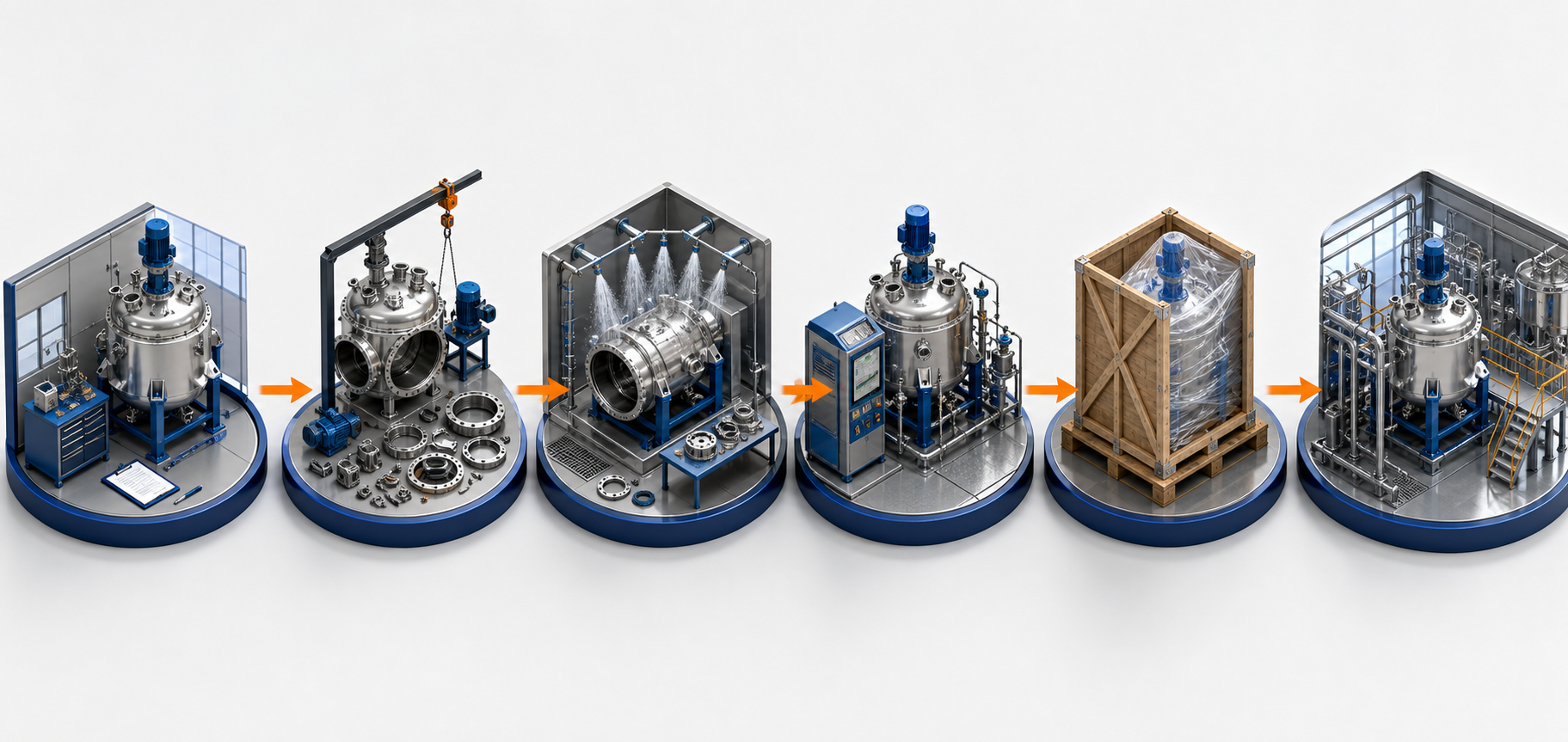
Industrial reuse is increasingly part of a practical manufacturing strategy. Extending the working life of serviceable equipment can reduce lead times, preserve embedded material value and help factories respond to changing capacity needs without waiting for new-build delivery schedules.
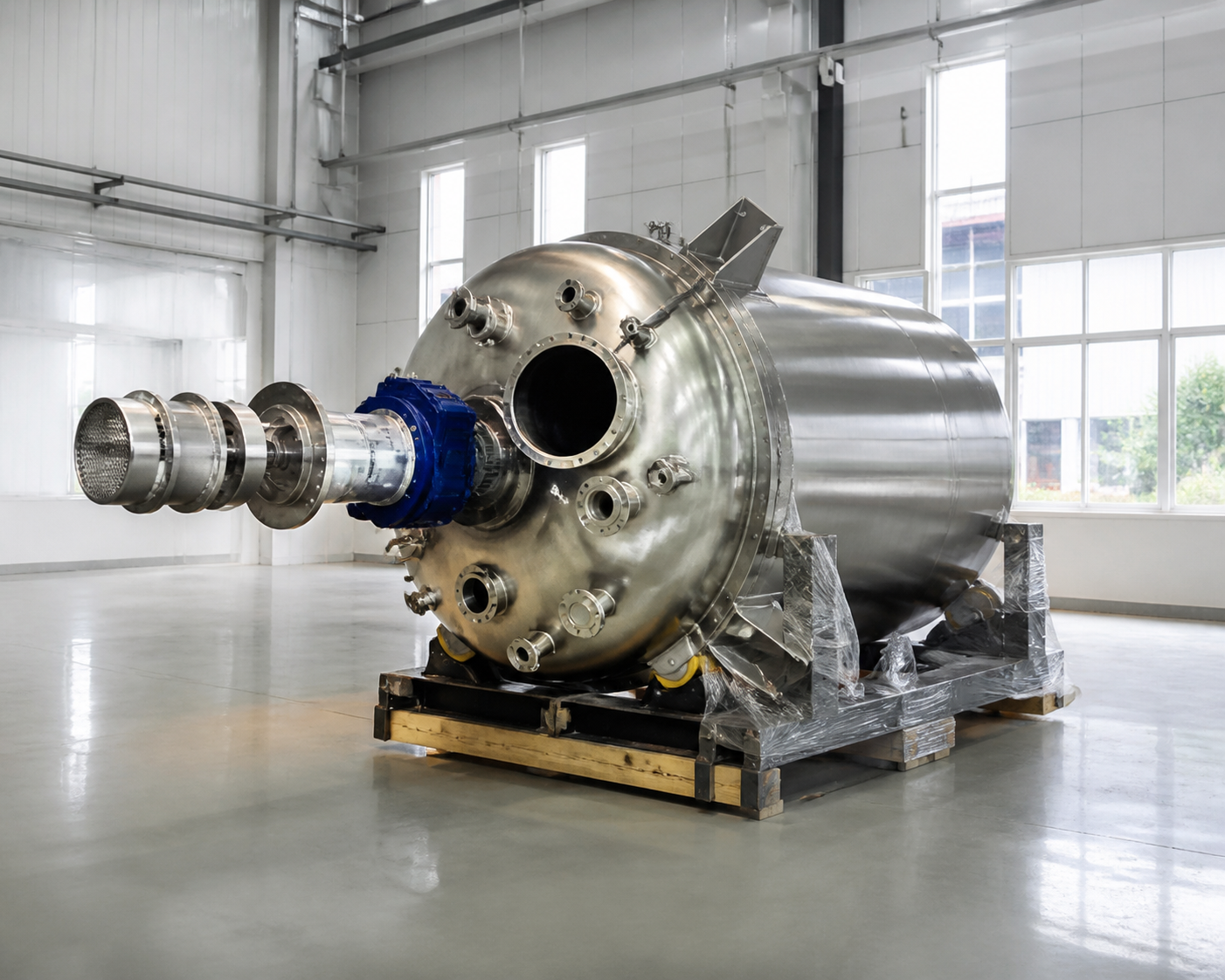
Reuse works best with disciplined evaluation
A circular approach does not mean accepting unknown condition. Buyers should assess technical suitability, available records, current photographs, physical condition, transport requirements and the cost of any refurbishment. The objective is to make an informed decision based on the intended duty.
Consider the full lifecycle
Equipment value is affected by removal, cleaning, repair, loading, shipping, installation, utilities, commissioning and future service. Comparing these factors against a new-equipment timeline gives management a clearer basis for the investment decision.
Build a responsible sourcing process
Keep a documented requirement list, request transparent information from suppliers and inspect significant assets where practical. This helps manufacturers combine cost control with traceability and long-term operational reliability.
Looking for similar equipment?
Send us the equipment type, process requirements and destination country for a current availability check.
Request a Quote