
How to Buy Used Laboratory Instruments from China: A Practical Buyer Checklist
A practical guide to evaluating used laboratory instruments, confirming condition and documentation, and preparing safe international shipment.
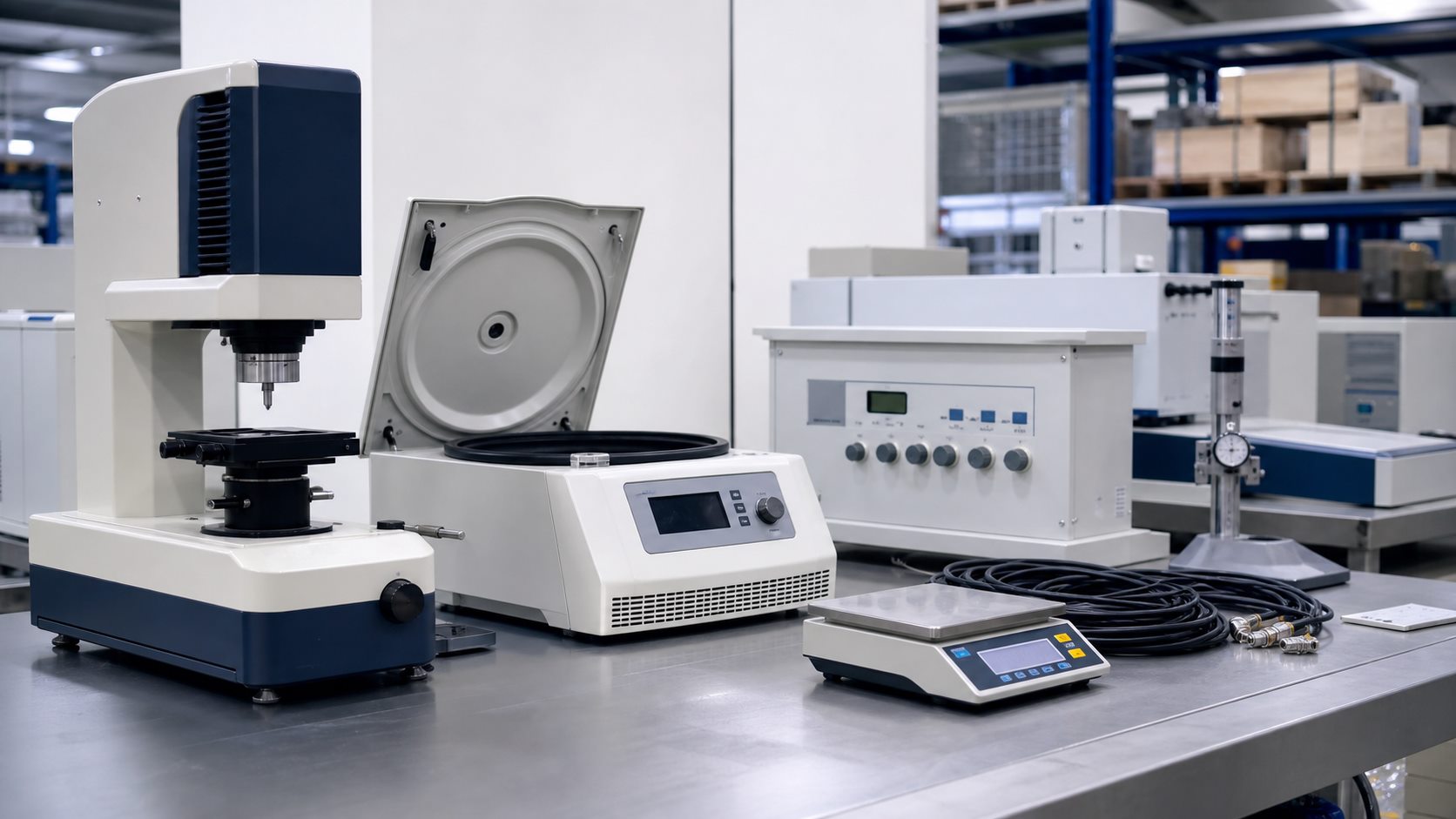
Used laboratory instruments can offer a practical route to expanding testing, quality-control or pilot-scale capability without the cost and lead time of a new purchase. The value of a used instrument, however, depends on more than its appearance. A buyer should confirm the model, configuration, operating condition, included accessories, service history and shipment requirements before making a decision.
Start with the application, not the machine name
Define the work the instrument must perform: material type, required measurement range, sample throughput, accuracy, temperature control, automation needs and local compliance requirements. A centrifuge, inspection system, analytical instrument or test bench may have several variants that look similar but serve different laboratory workflows.
When you send an inquiry, include the intended application and any must-have parameters. This helps Chenghang Group compare the available equipment against your real process rather than offering a generic alternative.
Request current condition evidence
For used laboratory instruments, ask for recent high-resolution photographs of the exterior, internal chamber or working area, control panel, nameplate, serial number plate, power connection and included accessories. A short operating video is especially useful for confirming that the instrument powers on, displays normally and completes basic movements or cycles.
Do not rely only on catalogue images. Current evidence helps identify cosmetic wear, missing components, cable condition and packaging requirements before the equipment is reserved.
Confirm model, configuration and included accessories
The base machine is often only part of the working setup. Confirm whether the offer includes rotors, fixtures, probes, software media, control modules, adapters, pumps, tooling, safety guards, manuals or spare parts. For instruments that use consumables or proprietary accessories, ask whether replacements can be sourced in your destination market.
A useful quotation should clearly separate equipment that is included from equipment that is optional. This reduces surprises during installation and commissioning.
Check utilities, dimensions and installation needs
Before shipment, confirm voltage, frequency, power demand, compressed-air requirements, drainage or ventilation needs, overall dimensions and net weight. If the instrument is going into an existing laboratory, verify door widths, floor loading, bench space and access for maintenance.
For cross-border shipments, dimensions and weight also determine whether the instrument should be palletized, crated or container-loaded. Request packing photographs when available.
Plan calibration, inspection and commissioning
Some used laboratory instruments may require calibration, qualification or local inspection before they enter service. Discuss this early with your quality team. Chenghang Group can provide available information about the equipment condition, but the buyer should confirm the validation and compliance steps needed for the intended application.
Use a clear inquiry checklist
Include the equipment type, desired model or function, critical specifications, required accessories, destination country and expected timeline. You can browse used laboratory instruments currently listed by Chenghang Group, then request current photographs, specifications and export options for the models that match your project.
Looking for similar equipment?
Send us the equipment type, process requirements and destination country for a current availability check.
Request a Quote